
Tips & Inspirations
The world always seems brighter when you’ve made something that wasn’t there before.
— Neil Gaiman
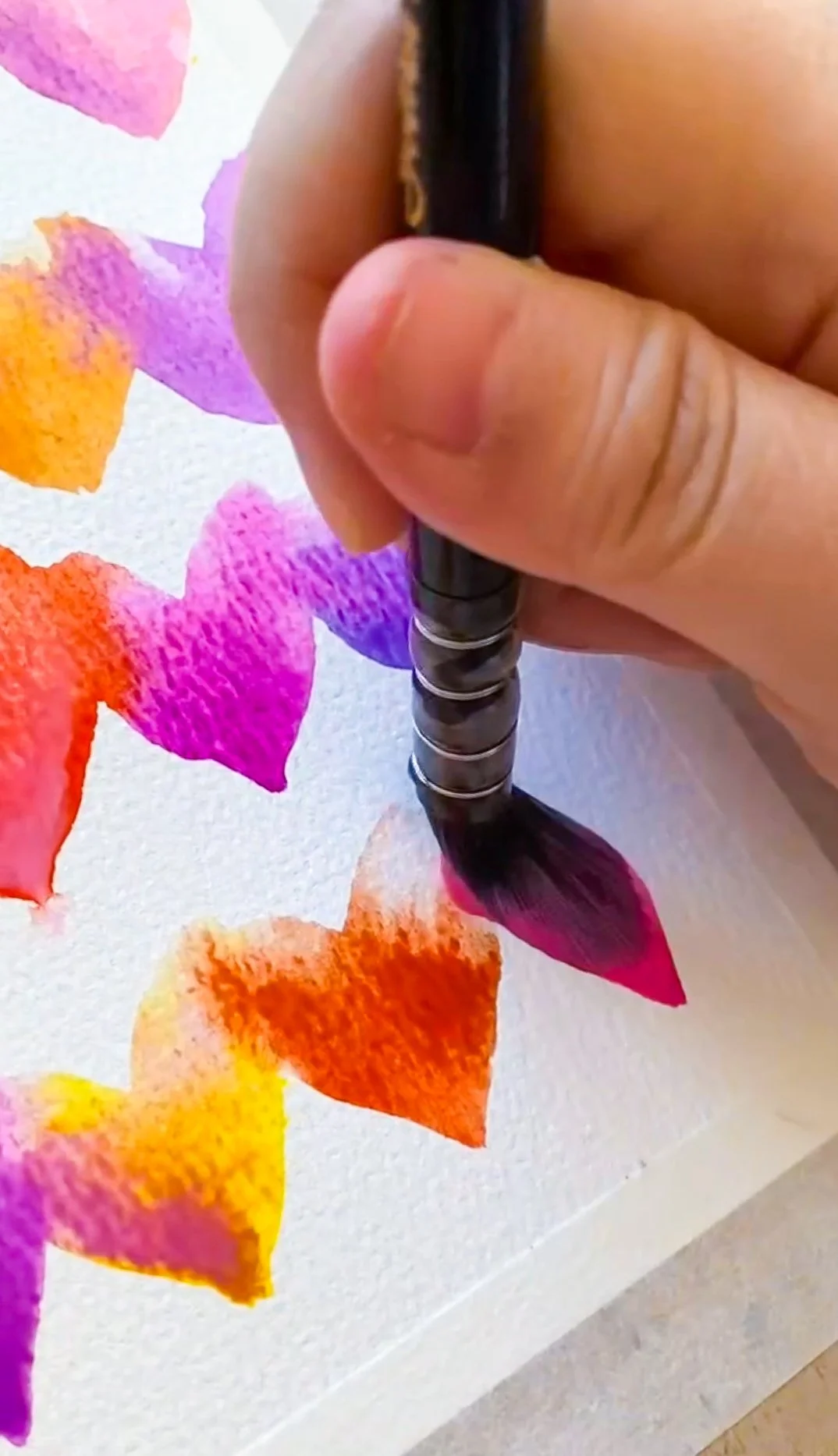
Control Your Water
Water plays a big role in how your paint moves and settles on the paper. Using more water will give you soft blends and gentle transitions, while less water helps you create more defined details. If your painting isn’t behaving the way you expect, try adjusting the amount of water on your brush.
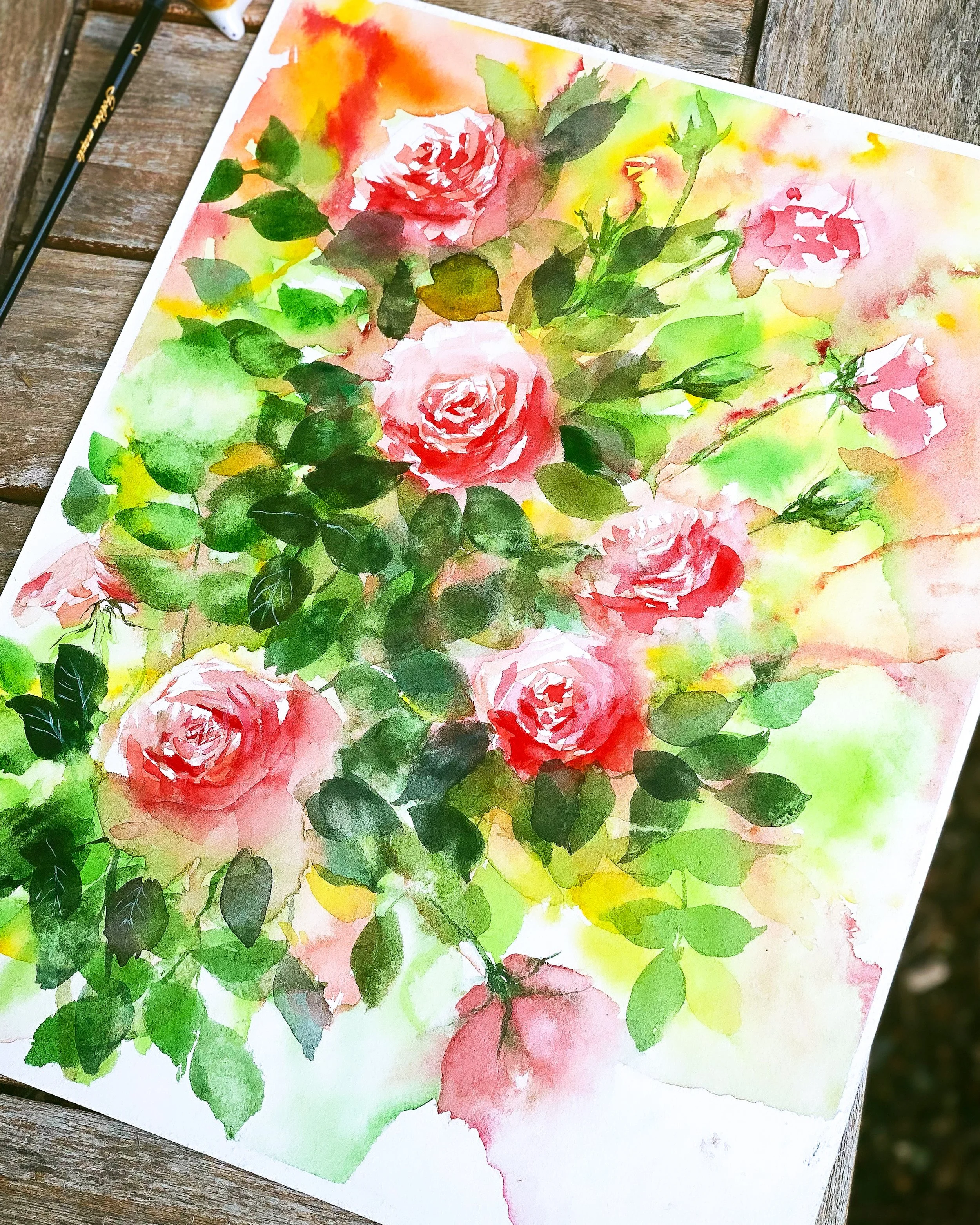
Start Light and Build
I always start lighter than I think I need to. It’s much easier to slowly build up color than to try to fix something that’s already too dark. I like to begin with a soft, light layer, let it dry, and then add a little more depth where I need it. That’s what helps the painting feel more dimensional without getting muddy.
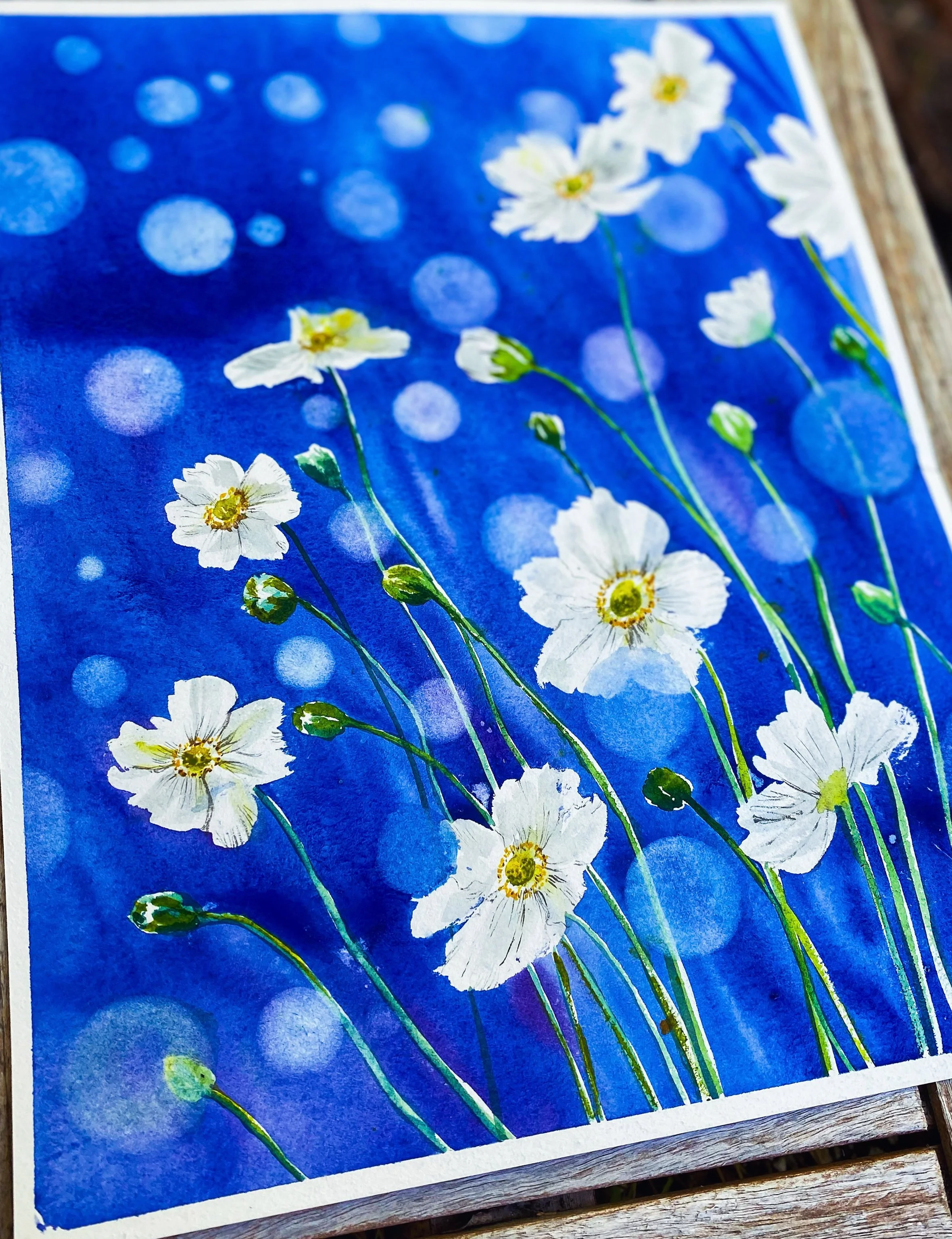
Let it Dry
This is something I had to learn the hard way. If I start adding more paint before the first layer is dry, everything just blends together and loses that fresh watercolor look. Now I try to slow down a little and let each layer dry before going back in. It makes such a difference and keeps the colors from getting muddy.
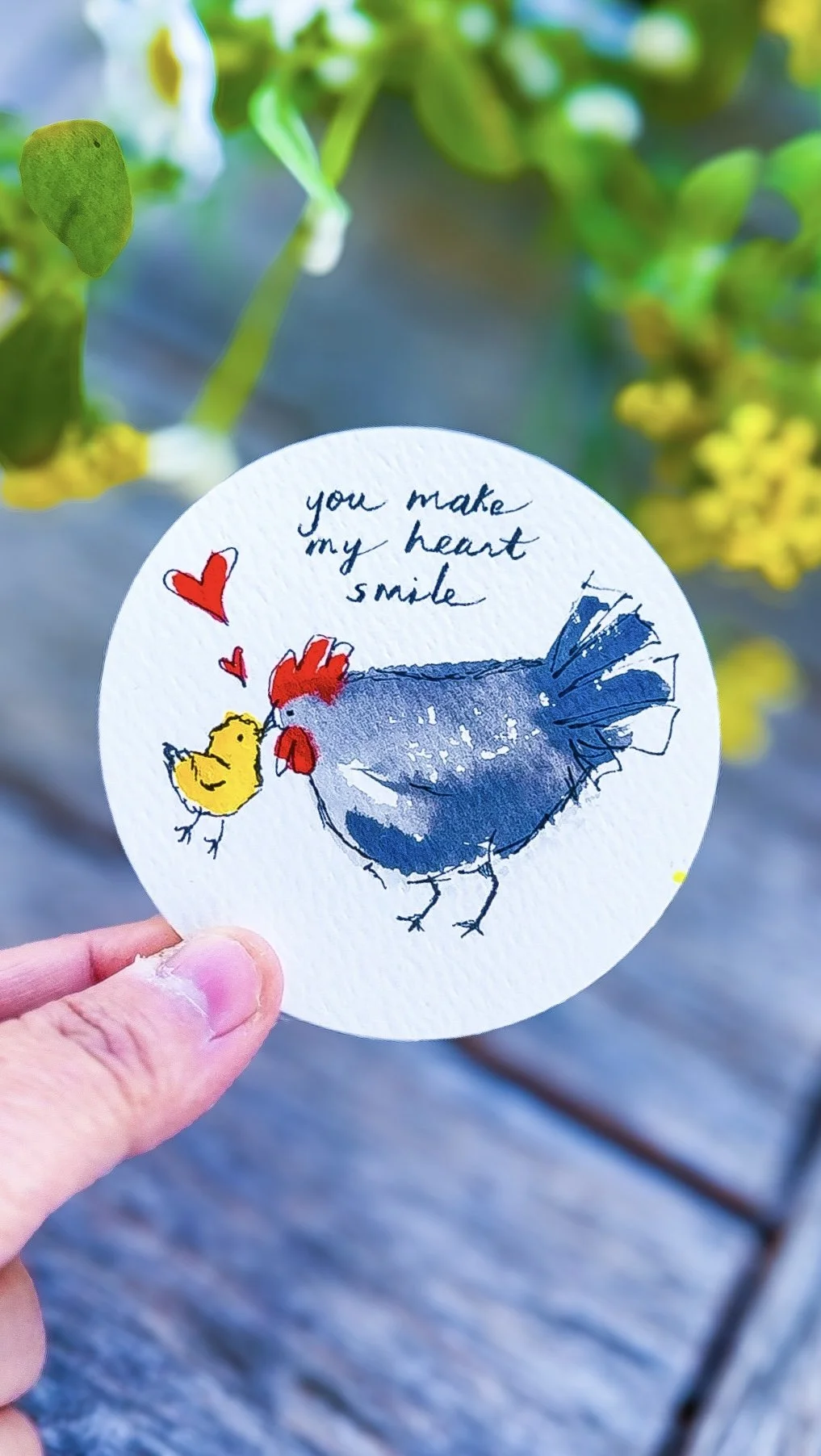
Keep Your Strokes Simple
I try not to overwork my paintings. It’s really tempting to keep going back in and fixing things, but that’s usually when it starts to lose that soft watercolor feel. I’ve learned to place a brushstroke and then leave it alone as much as I can. Keeping things simple actually makes the painting feel more fresh and natural..